Fish & Game divers take the plunge to keep tabs on trout and waterway health
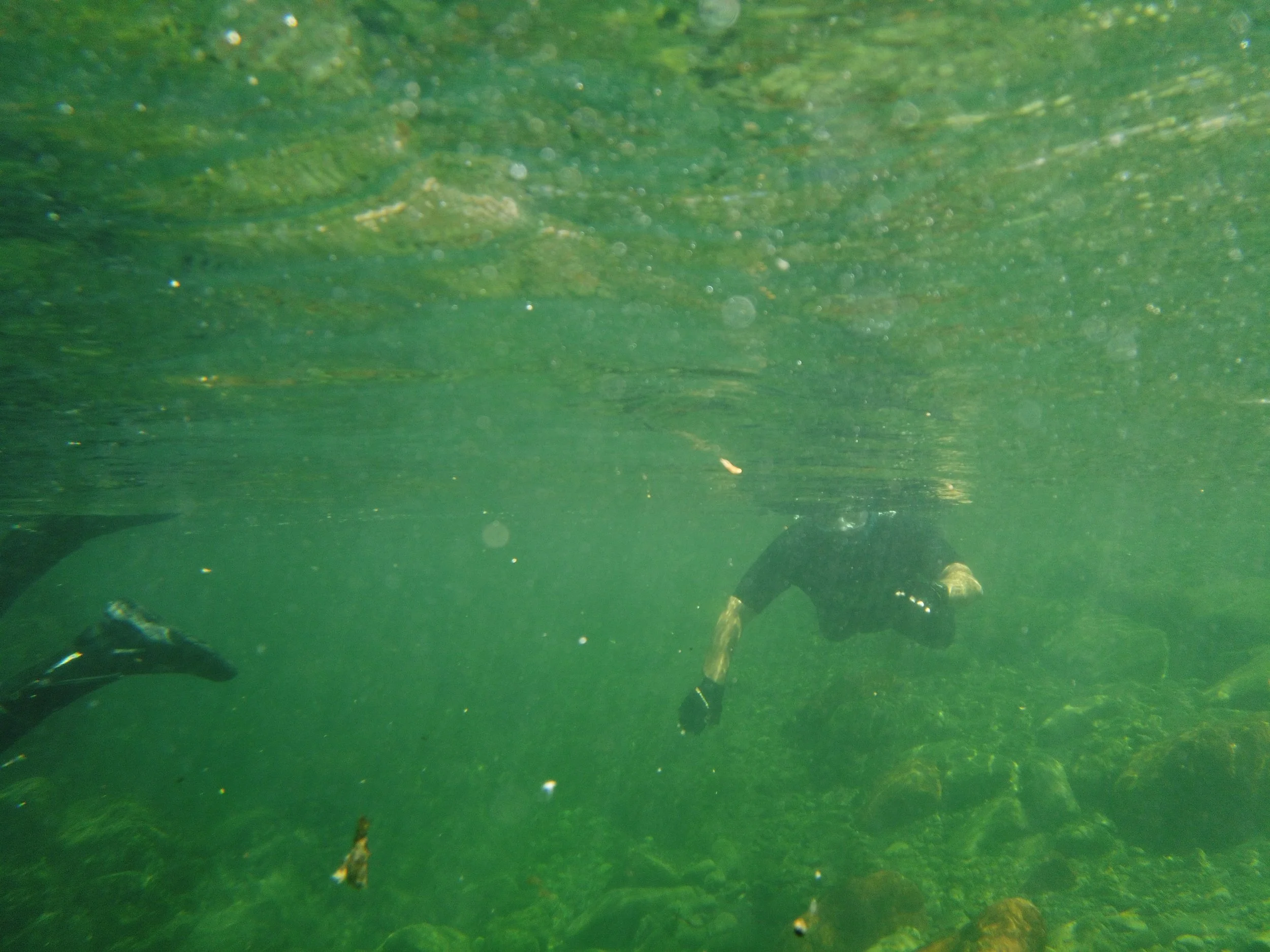
Fish & Game New Zealand has wrapped up another season of drift-diving surveys, with staff kitting up in wetsuits and snorkels to glide down more than 100 rivers nationwide in a bid to understand the health of the country's trout populations and freshwater.
The surveys are a cornerstone of Fish & Game's monitoring programme, providing data on trout abundance that directly informs catch limits for anglers but also an opportunity to check the health of New Zealand’s rivers.
"Our staff are in the water assessing water clarity, habitat quality, aquatic insect populations and the abundance of indigenous fish," said Fish & Game New Zealand Chief Operating Officer Richie Cosgrove. "Together, that gives us a broad and reliable picture of overall river health."
Each year, Fish & Game staff drift and glide down hundreds of kilometres of rivers throughout the country, compiling data that feeds into the management of sports fish populations on behalf of New Zealand's 140,000 fishing licence holders. There are very few organisations who do this and none more extensively.
"Trout require the cleanest water of any freshwater species in the country, which makes them an excellent indicator of river health," Cosgrove said. "When trout are thriving, it tells us the waterway is in good shape. When they're struggling, it's often a sign that something is wrong upstream.
"This work is what underpins our ability to advocate effectively for healthy rivers and lakes," Cosgrove said.
Drift diving is one of several monitoring methods used by Fish & Game, alongside electric fishing, spawning surveys, acoustic surveys, eDNA testing, and angler surveys.
Captions: Fish & Game staff drift diving on the Rangitikei River
ENDS