Hunters gear up for game bird season as wet conditions set the stage
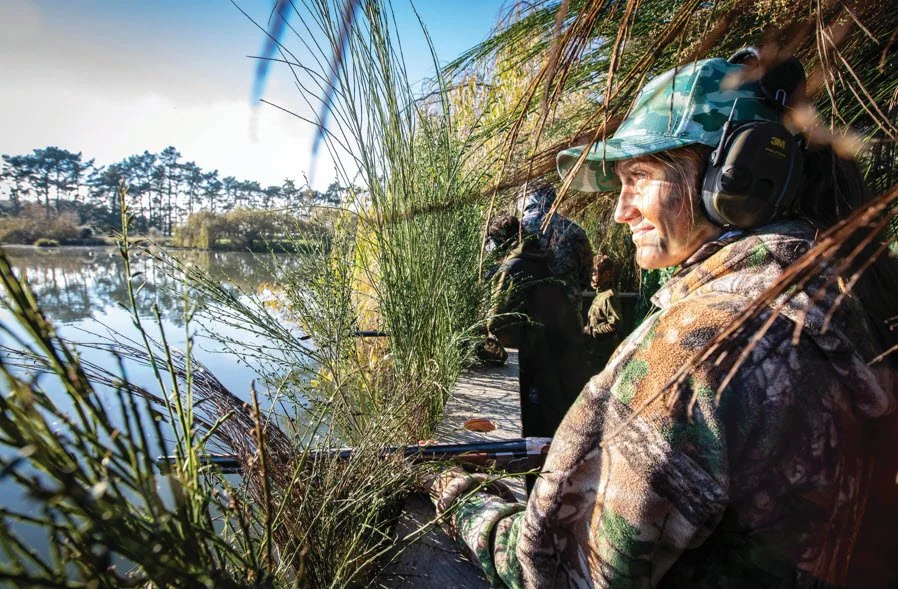
Wahine in maimai hunting mallard
Well before dawn this Saturday morning, alarms will go off in tens of thousands of homes around the country as hunters kick off another game bird season.
Fish & Game New Zealand Chief Operating Officer Richie Cosgrove said the season was shaping up to be a good one.
“We know hunters across the country have been closely watching conditions, and the picture heading into Opening Weekend is encouraging for the season ahead,” Cosgrove said.
While the weather has been difficult for many New Zealanders, the conditions have meant plenty of water across the landscape, which benefits ducks.
“The increased rainfall has replenished wetlands, ponds and waterways across many regions, giving waterfowl more habitat to feed and roost.
“Every year, we see hunters come from all walks of life heading out for Opening Weekend and the excitement in communities up and down the country is definitely building.”
“There is nothing quite like getting out into the wild with people you care about and coming home with wild kai for the table.”
He encouraged hunters to factor in the wider distribution of birds when planning their Opening Weekend.
“With more standing water around, ducks have more options for where they settle. We’d encourage hunters to do their scouting well beforehand and have a few back-up spots in mind if birds aren’t coming into their chosen location on Opening morning.”
We encourage hunters to get out often throughout winter and make the most of their game bird licence.”
Fish & Game also extended its thanks to landowners who open their properties to hunters each season, recognising the vital role they play in keeping the tradition alive and accessible.
“We want to thank those farmers who generously open their farms to hunters, many of whom are hunters themselves. Their support helps ensure that the tradition of game bird hunting continues for generations to come.”
Opening Weekend is expected to draw approximately 60,000 hunters nationwide, with Fish & Game Rangers active across all regions checking compliance, supported by Police and the Firearms Safety Authority.
“Make sure you’ve got your game bird licence, that you’re familiar with the regulations and bag limits for your region, and always follow the firearms safety rules.”
Game bird licences are available from the Fish & Game website at www.fishandgame.org.nz or from outdoor supplies stores.
Regional outlook and contact information:
Northland
Northland has had several severe wet weather events through the summer and autumn. This has led to an abundance of floodwater being available for ducks to feed in throughout the last few months. Juvenile survival through to the hunting season will have benefited from these conditions, and birds will have been able to put on good body condition. The floodwater combined with the delayed maize harvest has ensured that ducks have been eating well and harvested birds should be in good shape for the table. Paradise ducks are in high numbers which will add good opportunity for hunters to harvest healthy bags of birds. Ponds and wetlands are full due to the recent rainfall, but birds are likely to be dispersed. Getting out and scouting will increase the chance of success if the tagged stand locations are not pulling birds. In the flood conditions of last year's opening weekend, the most successful hunters were those that scouted to find bird concentrations and set up temporary hides adjacent to floodwater.
Auckland-Waikato
It’s shaping up to be a wet season in the Waikato. With abundant standing water, ducks are likely to spread out, making them less predictable than in dry years when they concentrate on limited water. This means more effort will be needed to locate birds, and success will depend on adapting your hunting plan. Pre-season scouting will be key to identifying where birds are feeding and resting, and plan accordingly. In contrast to dry seasons, where birds are easier to find, wetter conditions reward preparation. Last year, which was drier, hunters averaged just over four mallards and grey ducks on opening Saturday, dropping to around three on Sunday.
Eastern
It looks like it may be a good start to the mallard season in the Eastern Region this opening. Each year we trap about 1000-1500 mallard and grey duck. During the duck trapping process, we get a rough idea as to what the breeding season has been like. We have been doing this now for 30 years and during that time the average number of juveniles to adult mallards in the trap sample is 1.96. This year the ratio was 2.8, the second highest ratio in the last 12 years. We are the first to acknowledge that the juvenile to adult trap ratio has some inherent issues as an index of the breeding season however, we do know that summer rainfall is a good indicator of population growth. Hunters tend to do well over Opening Weekend when there are plenty of juveniles around so provided the weather does its bit, we are expecting hunters to do well this weekend.
Hawke’s Bay
Recent surveys indicate strong bird numbers across the region, with Central Hawke’s Bay shaping up as a standout for Mallards and Grey ducks this season. Hunters can also expect solid numbers of Paradise Shelduck, Black Swan, Pūkeko, and Pheasants.
Recent rainfall has replenished local dams and set the scene for a promising Opening Weekend. There’s clearly plenty of enthusiasm out there too, with duck hunters’ practice shoots around the Bay drawing great turnouts as shooters fine-tune their skills.Our rangers will be out across the region over Opening Weekend and look forward to sharing in your success, with strong bag numbers anticipated.
Taranaki region
While dry conditions in February and March concentrated ducks onto areas of permanent water, widespread rain since mid-April, which in conjunction with a series of floods in streams and rivers, has resulted in ducks moving out from their summer haunts.
During our recent pukeko surveys we saw some good mobs of parries on new grass and harvested hay paddocks, but their distribution is clumped.
Talking to landowners and a drive-around will be worthwhile in terms of locating good areas to hunt, as ducks may be clumped in some areas and sparse in others.
Of course, standing water in newly resown paddocks of maize stubble is a magnet for ducks and also well worth seeking out.
With game bird populations looking good, the region is well placed heading into the 2026 game season. Now all we need is the weather to play ball with some productive conditions on Opening Weekend.
Wellington region
A wet and unsettled summer has created ideal conditions for duck hunters ahead of Opening Weekend. Frequent rain has benefited young ducks by providing abundant feeding habitat, improving survival rates. Monitoring surveys indicate mallard numbers are up by around 16 per cent compared with last season, raising expectations for a strong waterfowl season. Delayed crop harvesting has also helped, as mallards continue feeding on maize and grain locally rather than moving elsewhere. However, widespread standing water from heavy rain means ducks may be more widely dispersed, requiring hunters to be flexible and have alternative spots. Hunters are encouraged to get out throughout the season, noting that calm, clear opening-weekend weather can favour ducks, while wetter, windier conditions later often provide better hunting opportunities.
Nelson Marlborough region
Recent trend counts in late March at 60 sites across the region show mallard numbers in line with the 10-year average in most sub-regions. Swan numbers have lowered from the high levels of the previous three years, although they remain plentiful in the Wairau lagoons and Golden Bay. Hunters are encouraged to harvest swans in the region, especially around the Waimea Estuary, to help alleviate concerns from the aviation industry, as nearby eelgrass beds have expanded, encouraging swans to this area.
Paradise shelduck numbers remain consistent with previous years in the Buller and Golden Bay sub-regions; however, there was a slight reduction in bird numbers in the Nelson/Tasman area. Anecdotal reports from the Awatere area suggest bird numbers are high, so this could be a good area for Marlborough-based hunters, especially door-knocking on some farms to help reduce the impact of parries on pasture and crops.
West Coast region
On the West Coast, prospects are looking very positive heading into Opening Weekend, with duck numbers recorded across monitoring sites sitting above average overall, with some standout sites contributing strongly to the result. Mallard and grey duck populations are holding up well following a favourable spring, which provided excellent breeding and feeding conditions and supported good survival through to fledging. Paradise shelduck numbers are also strong, with recent moult counts reflecting a healthy population across the region. As birds settle into autumn patterns, hunters can expect good opportunities across wetlands, river systems, and farmland—particularly for those who have taken the time to scout and prepare ahead of the season.
North Canterbury region
In North Canterbury the excitement for the season is steadily building once again, particularly with results from the annual dabbling duck flights across the Canterbury Plains giving hunters some much needed reassurance. The estimate of ducks per 10 km transect was 47.1 (+/- 7.8), which is right in line with the long-term average of 42.2 ducks per transect. This is also similar to the last few years, indicating hunters should expect a similar number of ducks as they have seen the last few seasons. Hunters in the North Canterbury Region have their fingers crossed that this year's Opening Weekend weather plays ball allowing them all to get out there and enjoy their own Opening Weekend traditions.
Central South Island region
Our Canterbury Plains surveys of mallard duck and paradise shelduck population undertaken in March observed healthy numbers, near the long-term average for mallard duck counts and the second to highest count on record for paradise shelduck. Black swan populations are relatively high. A relatively wet summer has set up many hunting ponds with ideal water levels. A recent survey of local hunters reveals the top reason to hunt game birds is as a source of food and for the social aspects of sharing the hunt with family and friends.
Otago region
Conditions across Otago over spring and summer have been positive for duck production. Grey-mallard harvest per hour in 2025 was the highest since 2013 and paradise shelduck moult counts were the highest on record. This bodes well for good numbers of waterfowl on opening day. The long-term forecast suggests mostly sunny weather on opening which means you will need to on your best camo, calling and shooting form. Multiple ranging teams will be out, please watch out for us and keep yourselves, your family, and friends safe.
Southland region
Down in Southland the waterfowl hunting season is shaping up to be a fairly typical one. Monitoring data indicates both mallard and paradise shelduck populations are in line with long-term averages, with 2026 numbers sitting neither particularly high nor low. While it may not be a standout year, a typical Southland season still offers plenty of opportunity for hunters to explore wetlands, lagoons, rivers and estuaries, spend time with family, friends and dogs, and harvest some tasty waterfowl for the table.
ENDS